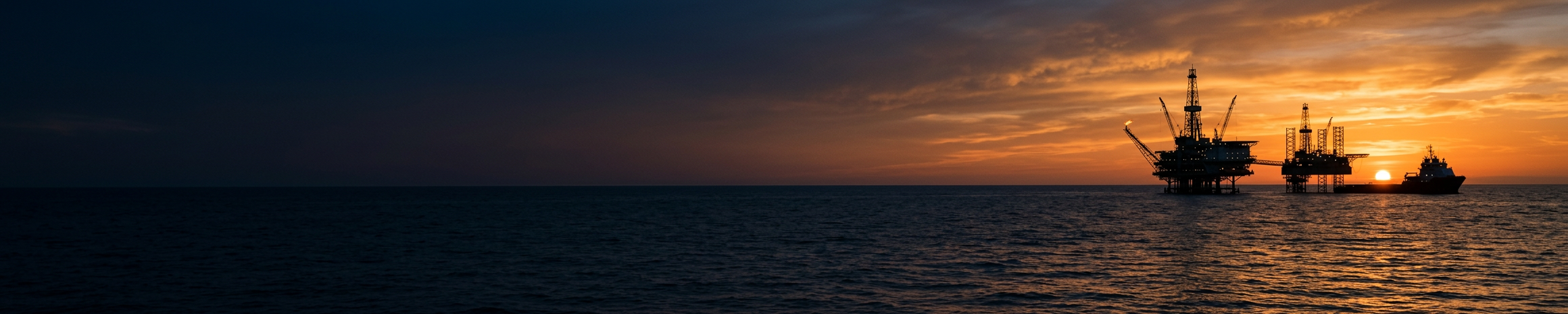
Capsizing of liftboat SEACOR Power off Port Fourchon
The US-flagged liftboat SEACOR Power capsized in a severe thunderstorm with winds exceeding 80 knots. Six people were rescued, six were recovered deceased and seven were never found and are presumed dead.
Source information
- Source
- National Transportation Safety Board
- Investigating authority
- National Transportation Safety Board
- Report / reference no.
- MIR-22/26
- Publication date
- Oct 18, 2022
- Last verified
- Oct 4, 2026
NTSB Marine Investigation Report adopted October 18, 2022.
Event description
NTSB reports the vessel capsized in a severe thunderstorm with heavy rain, winds exceeding 80 knots, and 2- to 4-foot seas. Search and rescue efforts were hampered by 30- to 40-knot winds and seas that quickly built to 10 to 12 feet and persisted into the next day. Six personnel were rescued by the US Coast Guard and Good Samaritan vessels.
Source / investigation findings: NTSB
Probable / root cause
The National Transportation Safety Board determines that the probable cause of the capsizing of the liftboat SEACOR Power was a loss of stability that occurred when the vessel was struck by severe thunderstorm winds, which exceeded the vessel’s operational wind speed limits.
Contributing factors
- Contributing to the loss of life were the speed at which the vessel capsized and the angle at which it came to rest, which made egress difficult (NTSB).
- High winds and seas in the aftermath of the capsizing hampered rescue efforts (NTSB).
- The localized weather could not be detected by nearby radars due to their elevation angles (NTSB).
Recommendations
- To the US Coast Guard: Develop procedures to inform mariners in affected areas whenever there is an outage at a navigational telex broadcasting site. (M-22-6)
- NTSB recommended that the National Weather Service, Federal Aviation Administration and Air Force work together to assess coastal weather radar sites to determine whether it is safe and appropriate to lower the radar angles.
Lessons learned
Source / investigation findings: NTSB
- NTSB found that had the crewmembers been required to carry personal locator beacons, their chances of being rescued would have been enhanced.
- NTSB found the search and rescue transponder held by the mate after he was swept into the water was not effective in signaling vessels or aircraft.
Gulf of America educational summary
A short-lived but violent thunderstorm exceeded the liftboat’s operational wind limits and the vessel capsized too quickly for most people aboard to get out. Weather that local radar could not see, and survival equipment that did not reach rescuers, both shaped the outcome.
- Know your vessel’s operational wind and sea limits and the decision point for not departing or for jacking down / securing.
- Do not rely on a single weather product; local convective cells can be under-sampled by radar.
- Personal locator beacons on each person materially improve the chance of being found.
- Rehearse egress from accommodation and work spaces assuming a rapid, large-angle heel.
Plain-language interpretation by Gulf of America. Not a finding of NTSB or any investigating authority.